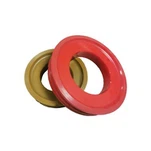
Polyurethane elastomer is a versatile material that has revolutionized the manufacturing of various products in various industries. One such product is the production of rubber rollers, also known as polyurethane elastomer rollers, which have become an essential component in various machines and industries.

Polyurethane elastomer is a type of synthetic polymer material that can be molded into any shape, size, or dimension. Due to its unique properties, it can withstand high temperatures, pressure, and wear and tear, making it an ideal material for applications that require high performance and durability.
One of the significant advantages of using polyurethane elastomer to produce rubber rollers is its ability to provide excellent adherence to metal parts and surfaces. Unlike other materials, polyurethane is highly flexible, which makes it easy to mold into any shape or size required for specific machines or industries.
Polyurethane elastomer rollers also offer excellent resistance to chemicals, oils, extreme temperature fluctuations, and other harsh environments. These qualities make them ideal for use in the paper industry, printing, plastic manufacturing, and other fields that require precision and consistent performance.
In addition to its exceptional performance and durability, using polyurethane elastomer to make rubber rollers can also save manufacturers time and money. This is because the materials and production process are relatively cheaper compared to other materials.
Moreover, polyurethane elastomer is environmentally friendly, which makes it a popular choice among manufacturers. Unlike other materials, polyurethane elastomer emits fewer pollutants during production and use, and it is easily recyclable, making it a sustainable and eco-friendly alternative.
In conclusion, using polyurethane elastomer to produce rubber rollers is an innovative and practical solution for various industries. Its flexibility, durability, resistance to extreme environments, and cost-effectiveness make it an ideal material to manufacture these essential machine components. Additionally, its eco-friendly properties further strengthen its position as a material of choice for modern manufacturing.