


Polyurethane Valve Seal
Why Choose Us
One-stop Solution
After a period of development and accumulation, we not only broadened the product line, but also provided a series of solutions based on MDI, PPDI and NDI.
Professional Team
Our company has the first-class technical team. We can process and customize various polyurethane special-shaped parts according to the needs of domestic and foreign customers.
Our certifications
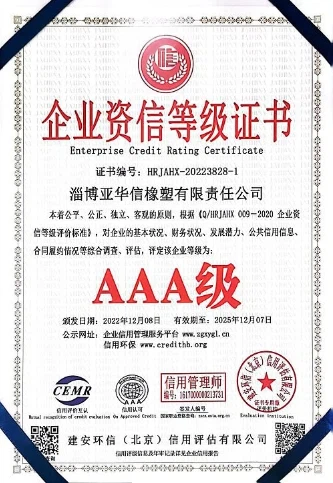
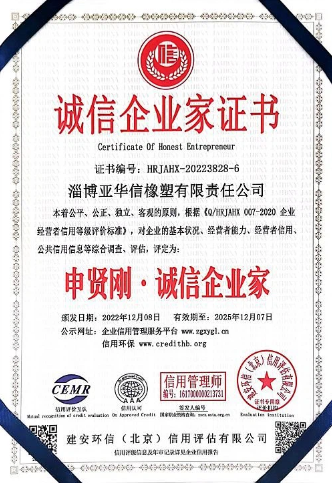
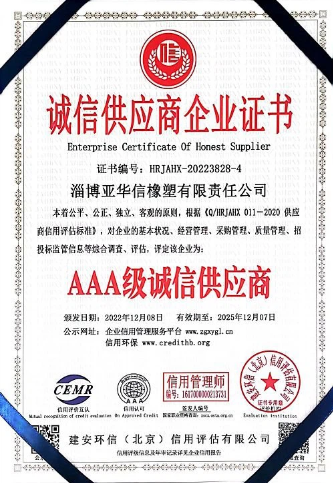
We passed OCCUPATIONAL HEALTH&SAFETY MANAGEMENT SYSTEM CERTIFICATION, QUALITY MANAGEMENT SYSTEM CERTIFICATION( ISO 9001) an so on.
Rich Experience
With the rich experience, professional technology and national influence of XinRuiTuo in the polyurethane industry, we strive to let more decision-makers in the country understand the advantages and benefits of high-quality polyurethane elastomers.
What is Polyurethane Valve Seal
Polyurethane valve seal is also called "valve rubber", and the main material is polyurethane material. Polyurethane products are an emerging organic high molecular material and are now applied to many fields.Its main feature is oil resistance, corrosion resistance, wear resistance, etc. Can withstand high pressure.The most common thing is to use it on the fracture car of the oil field. Because the fracture vehicle is operating in the underground oil field, cracks will be formed to achieve the purpose of increasing production. There are three water inlets and three outlets of the two fracturing cars. To make the water mouth open in the well, the high -pressure Versic rubber is sealed.
-
 Polyurethane Rubber SealPolyurethane Rubber Seal is also known as valve rubber, and its main material is polyurethane. Polyurethane products are a new type of organic polymer materials, which are now used in many fields.Add to Inquiry
 -
 Durable Seal Polyurethane Seal For Frac PumpDurable seal polyurethane seal for frac pump. Applicable to chemical and other industries. Suitable for pump, valve and other equipment. Suitable for easy wear medium containing solid particles. GoodAdd to Inquiry
 -
 Polyurethane Rubber Seal For Frac Pumppolyurethane rubber seal for frac pump. Factory direct sale. various models. Turning seals. Precise size. Good sealing effect. Easy to useAdd to Inquiry
 -
 Polyurethane Seal PU Valve SealPolyurethane seal PU valve seal. Product can be customized. Good sealing effect. Easy to install. Turning seals. Precise sizeAdd to Inquiry
 -
 Polyurethane Valve Insert Seal For Frac PumpPolyurethane valve insert seal for frac pump. Applicable to chemical and other industries. Suitable for pump, valve and other equipment. Suitable for easy wear medium containing solid particles.Add to Inquiry
 -
 PU Valve Seal For Frac PumpPU valve seal for frac pump. Suitable for pump, valve and other equipment. Suitable for easy wear medium containing solid particles. Product can be customized. Fine workmanship with excellentAdd to Inquiry
 -
 Polyurethane Rubber SealsColor: green, yellow, primary color, etc. Others can be customized. polyurethane rubber seals are made of imported materials. Good sealing effect. Easy to use. Turning seals. Precise size.Add to Inquiry
 -
 PU Valve SealPolyurethane valve seal is a cost-effective way to protect valves from abrasive and corrosive materials. It can be easily replaced. In addition, our products can be customized according to yourAdd to Inquiry
 -
 Polyurethane Valve Insert SealPolyurethane Valve Insert Seal is mainly used in the pump, the function of water inlet valve and drain valve. In the meantime, It's one of the most worn part in service.Add to Inquiry
 -
 PU Rubber SealPolyurethane Valve Seals for Petroleum Industry. Applicable to chemical and other industries. Suitable for pump, valve and other equipment. Suitable for easy wear medium containing solid particlesAdd to Inquiry
 -
 Polyurethane Valve Rubber SealsPolyurethane Valve Rubber Seals are made of imported materials. The product is high pressure resistant. The product is wear resistant. The product can be customizedAdd to Inquiry
 -
 Polyurethane Valve Seals for Petroleum IndustryPolyurethane Valve Seals for Petroleum Industry. Fine workmanship with excellent material. Can be processed and customized according to customer's requirements. Good sealing effect. Easy to use.Add to Inquiry


- Mob: +86-13589515144
- Email: sales@xinruituoseal.com
- Add: Room 203, 500 meters south of the Village Committee of Nanjiaosong Village, Hutian Sub-district Office, Zhangdian District, Zibo City, Shandong Province, China
Benefits of Polyurethane Valve Seal
Extremely Versatile
Polyurethane Valve Seal are extremely versatile. These seals can be used in various applications, from industrial to residential and commercial settings and processes. They are also critical components in the production of medical equipment, vehicles, machinery, and marine equipment. Seal manufacturers can produce varieties of tight tolerances and characteristics to suit almost any application.
Maximum Sealing Properties
If you're looking for tight tolerance seals, products made of urethane can be the perfect option. Used in everything from automotive and aerospace industries to chemical processing, urethane seals boast minimal leakage, which makes them ideal for use in hydraulic systems. They can prevent leakage at high pressure while allowing enough room for expansion.Hydraulic fluid under pressure easily overcomes inferior technology, especially when internal gaps and clearances aren't tight. Urethane seals are designed to change shape under pressure, which allows them to form a tight seal without leakage. However, when the pressure relaxes, they return to their original shape.
Abrasion Resistant
Polyurethane Valve Seal are designed with tight tolerances to resist shearing and tearing, meaning they can withstand abrasion without losing their ability to function properly. They won't break down or become less effective over time due to abrasion. Thus, they're necessary for heavy-duty applications, where their ability to withstand high amounts of friction is crucial. They're an ideal choice for any application that requires protection against abrasion due to their ability to withstand extreme weather conditions.In addition, cast Polyurethane Valve Seal are also easy to maintain, which makes them ideal for environments where there's a high volume of foot traffic or other sources of dirt and grime.
Chemical Resistant
Urethane seals are one of the most chemically resistant materials available for use across multiple industries. They maintain stability even when exposed to oil, fuel, water, solvents, and other industrial chemicals.Polyurethane Valve Seal are chemical resistant because they're made of a synthetic material that can withstand chemicals and other substances. They don't break down or corrode when exposed to acids and alkalis, and they even resist attack by many organic solvents. This makes them ideal for use in areas where chemicals are present, such as manufacturing plants, oil refineries, and chemical plants.
Types of Polyurethane Valve Seal
Polyurethane Rubber Seal
Polyurethane Rubber Seal is also known as "valve rubber", and its main material is polyurethane. Polyurethane products are a new type of organic polymer materials, which are now used in many fields.
Durable Seal Polyurethane Seal For Frac Pump
Durable seal polyurethane seal for frac pump is a kind of high molecular elastic material, which is usually used to make valve seals. The advantage of polyurethane valve rubber is that it has good wear resistance, tear resistance and chemical corrosion resistance, and can maintain its stable performance under high pressure and high temperature conditions. It also has better elasticity and resilience, which can effectively prevent leakage and penetration.
Polyurethane Rubber Seal For Frac Pump
Polyurethane rubber seal for frac pump is made of high-quality polyurethane materials, making it highly water-resistant, resistant to oil and other chemicals, and resistant to tearing, stretching and deformation. Our vavle seal also has excellent tensile strength, making it great for a variety of applications.
Polyurethane Seal PU Valve Seal
Polyurethane seal PU valve seal can indeed be used for frac pumps. Polyurethane is a synthetic material with high elasticity, abrasion resistance, aging resistance, etc, And it can resist damage from high pressure and harsh environments. Therefore, Polyurethane seal PU valve seal is usually used to make seals and gaskets of fracturing pumps to protect the internal mechanical components of fracturing pumps from damage.
Polyurethane valve seal has a wide range of applications, including in industries such as oil and gas, petrochemicals, water treatment, and many others. They are used to seal valves, pumps, and other equipment that deal with fluids under different pressures and temperatures.

What are the materials for valve seals?
Apart from the valve body, the valve seal or gasket is also an important part of the industrial valve. Basically, they're made of the following materials:PTFE: An extremely low friction material that can function well over a wide range of pressures and temperatures.Polyurethane: This durable material is suited for temperatures up to 200 F, pressures up to 6,000 psi, and offers excellent abrasion resistance.
Different materials for different applications
As a professional valve manufacturer, we offer a great variety of valves with a wide range of materials. And this variety of materials gives the valves different properties in different conditions and applications.Cast Iron: Cast iron is the most economical option, which is a good choice for people on a budget. Besides, it has impressive temperature tolerance and including can work normally under temperatures over 1150C. The major drawback is that it's not ductile at all and might crack by bending.
Polyurethane Valve Seal Design
The design of the Polyurethane Valve Seal impacts the seal selection. For instance, ball Polyurethane Valve Seal use ball seats and stem seals while diaphragm Polyurethane Valve Seal have a a flexible diaphragm material. The structure of the seal and the anticipated uses will help determine the material the seal is made of.
Regulatory Standards
For industries with strict material standards like food production (FDA), pharmaceutical (USP), or potable water (NSF), material compliance is a requirement. Always check the regulations and compare them to the components of the Polyurethane Valve Seal before installing.
Material Compatibility
Each of the different kinds of material used to make Polyurethane Valve Seal seals have different chemical compatibility.
5 Tips for Replacing Polyurethane Valve Seal
Use the right tools
Some people try to use pliers, screwdrivers or some other improvised tool to remove valve seals. This can lead to damaged seals, valve stems, valve guides or even yourself. You're going to need at least two tools to remove valve seals properly: a spring compressor and a seal removal tool.
Release spring pressure in a controlled manner
This is where a quality valve spring compressor is essential. You want to release spring pressure gradually to protect the valves, springs, guides and other valvetrain components from dropping into the cylinder or flying all over the shop. This will make it much easier for you to reach in and release the valve seal.
Clean the valve stem and guide before installing a new seal
Don't skip this step or you may be replacing your valve seals sooner rather than later. When you clean the valve stem and valve guide before installing a new seal, you're removing the dirt, oil, debris and general gunk that get in the way of a proper seal. Use a soft rag or shop towel to clean the stem and guide thoroughly before installing the new seal.
Lubricating a valve spring before installationLubricate the seal before installation
You might be tempted to install the new seal dry, but this can cause the seal to tear or crack during installation. It can also create heat and friction during operation. We recommend always using some engine oil or assembly lube to coat the new valve seal before sliding it onto the valve stem and guide.
Align the new seal properly
Close up of mechanic installing a valve stem seal
Pay attention to how the new seal sits on the valve stem. It should be firmly seated, but not too tight. Don't use too much pressure when installing the seal either. This can cause the seal to be crooked, loose or damaged. Align the seal with the groove on the valve stem and use a seal installer to gently tap it into place.
Signs to Watch for When Polyurethane Valve Seals Are Failing


Performing the cold engine test
One sure-fire way to tell if you have a faulty valve seal is to perform a cold engine test. When your vehicle has been sitting overnight or for a longer period of time, the top of the head of the valve cover will have some oil left over from the last time you drove. When you start the engine, the oil ends up getting sucked down through the bad seal into the combustion area, producing a blueish smoke out of the tailpipe. This may indicate that your valve is not securely sealed and that it's time to get a new one.
Idling
Another way to test a bad valve seal is to be aware of what happens while your vehicle is idling. When your vehicle is stopped for a significant amount of time, high vacuum levels will cause the oil to build up around the valve system while it is closed. In a faulty valve seal situation, when you begin to accelerate again, this oil can end up getting sucked past the seal an into the valve guide. This causes more of this blueish smoke, due to the burning of oil, to come out the tailpipe.
High levels of oil consumption
High levels of oil consumption is another indicator that you have a bad valve seal. This is because oil is being leaked out or burned excessively and causing oil to decrease at a higher rate than normal. You can detect this loss of oil with a basic oil dipstick and keeping a regular log of oil levels. If no oil leaks can be found around the vehicle, you may still have a bad valve seal, as the oil will likely be burned up causing excessive smoke.
High levels of smoke
Another indicator of a faulty valve seal, as mentioned above, is the high presence of smoke. It's common for some exhaust smoke to be present when you first start your vehicle, but if it begins to last longer than normal, your valve seal may be deteriorating. In addition, if you have a bad valve seal, the excessive smoke will tend to come in waves as an indicator of oil burning.
Engine braking test
Engine braking is when other ways besides external braking are used to slow down your vehicle within an engine. When you have a bad valve seal, the oil that collects at the front cover of the head will end up burning when you push on the accelerator after coasting for a while. This is apparent especially when going downhill and again will be indicated by the excessive smoke that leaves the tailpipe. The oil here burns longer than in normal cases.
Acceleration power is compromised
The final indicator of a poor valve seal is a lack of acceleration power. You can also perform a compression test to see if this is the case. A higher level of compression will indicate that it's a valve seal problem, while a low level of compression will indicate a piston ring problem. These two areas can be very similar in their faulty symptoms so it's best to be informed on their differences.
Our Factory
Shandong XinRuiTuo Precision Industry Co., Ltd integrates scientific research, development, production, sales and service. It is a modern technology company dedicated to the production of polyurethane polymers. The company has a professional Research and Development team and professional testing equipment. The company registered capital is 21 million and annual output value is around 80 million. The factory area is around 10,000 square meters. The company's productivity can reach 20,000 tons each year.The main products are: polyurethane sieve plate, pump piston, polyurethane sealing ring, roller coaster wheel, monorail wheel for coal mine, valve rubber, cotton picker accessories, superior rubber pad on die cutting machine, Polyurethane cylinders, etc. In addition, our company has the first-class technical team. We can process and customize various polyurethane special-shaped parts according to the needs of domestic and foreign customers.


certificate


FAQ
