


Oil Seal
Why Choose Us
One-stop Solution
After a period of development and accumulation, we not only broadened the product line, but also provided a series of solutions based on MDI, PPDI and NDI.
Professional Team
Our company has the first-class technical team. We can process and customize various polyurethane special-shaped parts according to the needs of domestic and foreign customers.
Our certifications
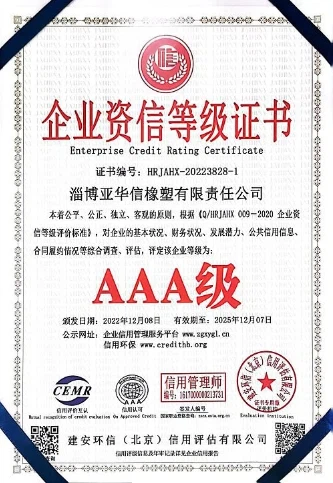
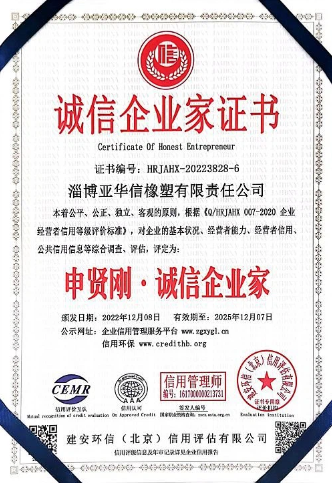
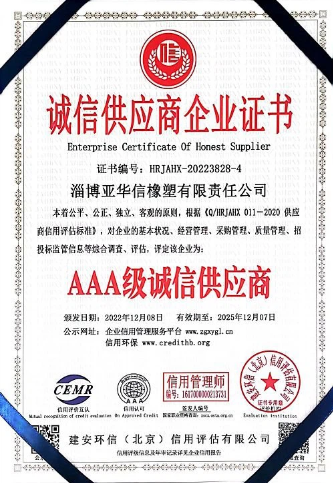
We passed OCCUPATIONAL HEALTH&SAFETY MANAGEMENT SYSTEM CERTIFICATION, QUALITY MANAGEMENT SYSTEM CERTIFICATION( ISO 9001) an so on.
Rich Experience
With the rich experience, professional technology and national influence of XinRuiTuo in the polyurethane industry, we strive to let more decision-makers in the country understand the advantages and benefits of high-quality polyurethane elastomers.
What is Oil Seal
An oil seal has two tasks: Keeping the lubricant in and keeping dirt and contaminants out of rotating components. This separation must be accomplished between surfaces in relative motion, usually a shaft or bearing inner ring and a housing. With correct installation, oil seals can also prevent seal leakage and maintain the lubricity of a bearing to ensure that the rotary shaft and its bearings remain fully functional.A typical oil seal consists of three common parts: an outer ring, the sealing element, and a spring. The exterior metal ring component provides strength and rigidity to the oil seal in the bore or recessed groove.
-
 Oil Seal Well Service Pump Packingoil seal Well service pump packing is a cloth structure with a molded rubber fabric. We canAdd to Inquiry
 -
 Plunger Pump PackingPlunger pump packing. Anti-impact pressure. It can allow a larger extrusion gap. Products requiredAdd to Inquiry
 -
 Plunger Pump Packing SetsPlunger pump packing sets are produced by XinRuiTuo in a wide range of materials to accommodateAdd to Inquiry
 -
 Plunger Packing SetsPlunger packing sets can be used to Fracturing Pumps, Acidizing Pumps, Cementing Pumps, PositiveAdd to Inquiry
 -
 Pump Packing Seals For Frac PumpsPump Packing Seals for Frac Pumps. Custom nonstandard size. Oil / corrosion resistance. wearAdd to Inquiry
 -
 Aramid Fabric Oil SealAramid Fabric Oil Seal is a cloth structure with a molded rubber fabric. We can manufacture Black,Add to Inquiry


- Mob: +86-13589515144
- Email: sales@xinruituoseal.com
- Add: Room 203, 500 meters south of the Village Committee of Nanjiaosong Village, Hutian Sub-district Office, Zhangdian District, Zibo City, Shandong Province, China
Benefits of Oil Seal
Preventing Leakage, Protecting Machinery
A key function of oil seals is to prevent the leakage of lubricants which are essential for the smooth operation of machinery by reducing friction and wear between moving parts. When oil seals are properly installed, they ensure that the lubricant remains inside the machinery and prevents leakage onto the floor or into the environment. As well as conserving lubricant supplies, this ensures that the machinery operates at optimum efficiency and that sensitive moving components aren't severely damaged by excessive friction. Preventing leakage also offers important environmental benefits, reducing the risk of contamination through spillage.
Preventing Contamination
Oil seals are crucial in protecting components within machinery from external contaminants, such as dust, dirt, and moisture, which can cause corrosion, wear, and ultimately, premature failure. By effectively sealing the internal components from the external environment, oil seals extend the lifespan of these vital parts and reduce downtime and maintenance costs in the long-term. Protection is especially important in harsh or dirty working environments where the risk of contamination is high.
Enhancing Efficiency
The use of properly installed oil seals significantly improves the efficiency of machinery. By reducing friction and wear within the system, they ensure machinery can operate more smoothly and with less energy consumption. Reduced friction also means less heat generation, which is beneficial for maintaining the optimum temperature of the equipment. As well as achieving much-needed cost savings in terms of reduced energy use, oil seals enhance overall productivity as there are fewer periods of downtime or maintenance.
Prolonging Machinery Life
Finally, by minimising wear and tear, oil seals contribute significantly to extending the lifespan of essential machine components, such as bearings and shafts. Consequently, reduced downtime is likely as there are fewer breakdowns and maintenance requirements, translating into cost savings and more consistent production output.
Types of Oil Seal
Type 1 of oil seal-lip seal
A lip seal is a common type of oil seal. They consist of a metal shell, a flexible lip rim, and a spring that exerts pressure on the lip rim on the shaft. The flexible lip is usually made of rubber or other elastic material and is designed to form a tight seal on the shaft. Lip seals are used in a wide range of applications, including automotive engines, pumps and transmissions.
Type two of oil seal-V-ring seal
V-ring seals are used in applications where shaft rotation is high and contamination risks are present. They consist of a piece of V-shaped rubber or other elastic material. The V-ring is mounted on the shaft and forms a tight seal with the housing. V-ring seals are commonly used in automotive engines, agricultural machinery, and hydraulic systems.
Type three of oil seal-box seal
Cartridge seals, a common type of types of machine parts, are designed for applications where high pressure and high temperature are present. They consist of a metal shell, a sealing element, and a spring that exerts pressure on the sealing element. The sealing element is usually made of PTFE or other high performance material and is designed to form a tight seal on the shaft. Box seals are commonly used in hydraulic cylinders, pumps, and motors.
Type four of oil seal-mechanical seal
Mechanical seals are used in applications where high pressures and temperatures are present and where there is a risk of contamination. They consist of two mating surfaces pressed together by springs. Mating surfaces are usually made of ceramic, carbon, or other high performance materials and are designed to form a tight seal with the shaft. Mechanical seals are commonly used in pumps, compressors, and other rotating equipment.
Type five of oil seal-oil bath seal
Oil bath seals are used in applications where shaft rotation is low speed and contamination risks are present. They consist of a metal shell, a sealing element, and a spring that exerts pressure on the sealing element. The sealing element is usually made of rubber or other elastic material and is designed to form a tight seal on the shaft. Oil bath seals are commonly used in farm machinery, construction equipment, and other heavy-duty applications.
Automotive Industry
One of the primary applications of Oil Seal lies in the automotive industry. These seals are commonly used in engines, transmissions, and drive shafts to prevent oil leakage. By maintaining proper lubrication and preventing the entry of contaminants, Oil Seal extend the lifespan of automotive components, reducing maintenance costs and enhancing overall performance.
Manufacturing Industry
In the manufacturing industry, Oil Seal find extensive application in various types of machinery, such oil seals contribute to increased productivity and cost savings.
Aerospace Industry
The aerospace industry demands stringent standards for reliability and safety. Oil Seal are utilized in critical aircraft components, including passenger safety during flights.
Marine Industry
The marine industry faces unique challenges due to the harsh conditions encountered at sea. TC oil seals are employed in various marine applications, including engines,. By improving the durability and reliability of marine machinery, Oil Seal contribute to optimal performance and extended service life.
Power Generation Industry
In power generation plants, Oil Seal are used in turbines, generators, and other rotating equipment downtime, resulting in uninterrupted electricity supply and reduced maintenance costs.
Common Materials for Oil Seals

Nitrile Buna-N 70
NBR is compatible with numerous environmental conditions and is also relatively cost-efficient, which makes it one of the most popular and best-suited materials for the industry. Nitrile works well in the -30° to 250° F range and when exposed to anything from water and hydraulic fluids to gas, silicone, vegetable, or animal oils.

Fluoropolymer
FKMs, or Viton®, are perfect for high-temperature applications up to approximately 400° F. Additionally, they feature low compression characteristics. Seals of this material are highly resistant to solvents, gas, and petroleum or transmission oils, so they are a good fit for applications around these materials.

Silicone
Vinyl-methyl-silicones (VMQs) maintain performance in temperatures from -140° to 392° F. In addition, silicone is resistant to adverse weather conditions, light, and ozone. The healthcare and food industry sectors, as well as pneumatic and hydraulic systems, often use silicone.

Polyacrylate
Polyacrylate is a good combination of quality and cost benefits. It is highly resistant to oxidation and heated oil, withstanding temperatures from -25° F to 300° F. This material has applications in vehicle transmissions, shaft seals, O-rings, and more.
How to Choose Oil Seal
Shaft Speed
The maximum allowable shaft speed is a function of the shaft finish, runout, housing bore and shaft concentricity, type of fluid being sealed and the type of oil seal material.
Temperature
The temperature range of the mechanism in which the seal is installed must not exceed the temperature range of the seal elastomer.
Pressure
Most conventional oil seals are designed only to withstand very low-pressure applications (about 8 psi or less). If additional internal pressure is present or anticipated, pressure relief is necessary.
Shaft Hardness
Longer seal life can be expected with shafts having a Rockwell (RC) hardness of 30 or more. When exposed to abrasive contamination, the hardness should be increased to RC 60.
Shaft Surface Finish
Most effective sealing is obtained with optimum shaft surface finishes. The sealing efficiency is affected by the direction of the finish tool marks and the spiral lead. Best sealing results are obtained with polished or ground shafts with concentric (no spiral lead) finish marks. If you must use shafts with spiral finish leads, they should lead toward the fluid when the shaft rotates.
Concentricity
When the bore and shaft centers are misaligned, seal life will be shortened because the wear will be concentrated on one side of the sealing lip.
Shaft and Bore Tolerances
The best seal performance is achieved when close shaft and bore tolerances are present. Other factors include shaft eccentricity, end play and vibration.
Oil seal: How to Install it Correctly
By first finding out the dimensions of the inner and outer diameters and the height of the bore, you have all the data for the correct size of the oil seal. Of course, the oil seal must also be able to withstand the pressure, temperature and medium it is exposed to within the seal during the manufacturing process. You can read more about this in our oil seal selection guide.
Before installing the oil seal, it is essential that the oil seal, shaft and bore are not damaged. So, ensure that the surfaces the oil seal comes in contact with do not have any sharp points or burrs. The sealing lip is fragile, so any minor damage to it can cause leakage. Also, make sure the oil seal is clean. Even a small amount of dirt can cause a leak. Therefore, never use a pre-used oil seal for the assembly.
Assembling the oil seals is only possible with the right assembly tools. Due to the high risk of damage during assembly, it is important that you have tools with which you can work carefully. A bearing fitting tool set is ideal.
Because the inner diameter of the oil seal must be stretched during assembly, it is necessary for the shaft to possess a ramped edge. The angle at which the ramped taper should be chamfered is 30° a 50°. If a flange or keyway is present on the shaft, it is best to use a bushing. The bore should also have a chamfer of 30° over at least 1 mm on the ramped side. Be sure to round off the edges properly in the process.
If you have prepared the assembly properly, then you are already largely on your way to a successful installation. The assembly of the oil seal itself is not complex. It is, of course, important that it is done properly in view of the longevity and reliability of the seal.
How to Maintain Oil Seal
Protecting from dirt and impurities
Dust, dirt and debris are often the primary reasons for the failure of a seal. When a Oil Seal is used in high pressure equipment, even the smallest particle can make a gap in between the seal and the equipment. This results in the access of impurity or the leakage of fluid or gas. So the best way to ensure that no dust particle pollutes the oil seal is to store it in a container or a sealed bag and keep it away from a place where dust and impurities exist.
Protecting the shaft
Keep the shaft of the end application dust-free and protect it from any kind of damage. This will increase the performance of oil seals as well as the equipment where the former will fit into. If there is the slightest dent or chip in the shaft, the seal will work not function properly and the contaminants will infiltrate into the equipment. To fix this problem, it is required to wrap the shafts in mesh rubber screen or any other protective material and keep them in their own compartments.
Keeping the surface clean
While taking the oil seals and from a storage bag, make sure that they do not get dirty. The surface where the seal will come into contact must be cleaned properly. Some oil seals that have greasy features are very vulnerable to dust. So, what you can do is separate the seals from other products and clean surfaces of bins, tables, conveyors, etc separately to minimize the chances of the oil seals getting dusty.
Maintaining oil accessories
The accessories used with Oil Seals are to be protected as much as the former. Installation tools, grease container, etc. are to be stored in a sealed container when they are not in use. This will lower the chances of infiltration of impurities. Also, make sure that the installation tools have no dented edge because this can affect the oil seal at the time of the installation process.
Our Factory
Shandong XinRuiTuo Precision Industry Co., Ltd integrates scientific research, development, production, sales and service. It is a modern technology company dedicated to the production of polyurethane polymers. The company has a professional Research and Development team and professional testing equipment. The company registered capital is 21 million and annual output value is around 80 million. The factory area is around 10,000 square meters. The company's productivity can reach 20,000 tons each year.The main products are: polyurethane sieve plate, pump piston, polyurethane sealing ring, roller coaster wheel, monorail wheel for coal mine, valve rubber, cotton picker accessories, superior rubber pad on die cutting machine, Polyurethane cylinders, etc. In addition, our company has the first-class technical team. We can process and customize various polyurethane special-shaped parts according to the needs of domestic and foreign customers.


certificate


FAQ
