


Polyurethane Rod
-
 Pu Square BarPU Square bar 70 Shore A-95 Shore ALength: 500mmThickness: 10mm--60mm Colour: original, red, yellow, green, orange,white.Min order: 50kgShipping to be negotiatedAdd to Inquiry
 -
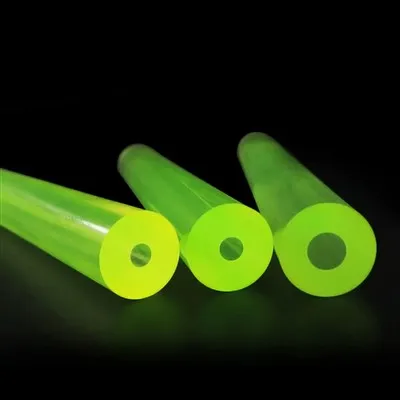 Polyurethane Hollow RodPU hollow rod Polyurethane material 70 Shore A-95 Shore A Length: 300mm-1000mm Diameter: 20mm--500mm Surface: glossy Colour: original, red, yellow, green, orange,white and so on. Min order: 50kgAdd to Inquiry
 -
 Cast Polyurethane/PU Plastic Rod/barPU rubber rod Casting polyurethane material 70 Shore A-95 Shore A Length: 300mm-1000mm Diameter: 20mm--300mm Surface: glossy Colour: original, red, yellow, green, orange,white and so on. Min order:Add to Inquiry
 -
 High Quality Solid Engineer Plastic Polyurethane Pu RodPU rubber rod Polyurethane material 70 Shore A-95 Shore A Length: 300mm-1000mm Diameter: 20mm--300mm Surface: glossy Colour: original, red, yellow, green, orange,white and so on. Min order: 50kgAdd to Inquiry
 -
 Cast Polyurethane Plastic Rod Pu Rubber Round Rod BarPU rubber rod Polyurethane material 70 Shore A-95 Shore A Length: 300mm-1000mm Diameter: 20mm--300mm Surface: glossy Colour: original, red, yellow, green, orange,white and so on. Min order: 50kgAdd to Inquiry
 -
 PU Color StickPU Polyurethane Solid Round Rod Bar Elastic Shock Diameter 10-300mm Absorber stickAdd to Inquiry
 -
 PU Rubber RodsPU rubber rod Polyurethane material 70 Shore A-95 Shore A Length: 300mm-1000mm Diameter: 20mm--300mm Surface: glossy Colour: original, red, yellow, green, orange,white and so on. Min order: 50kgAdd to Inquiry
 -

-
 Pu RodPU rodPolyurethane material70 Shore A-95 Shore ALength: 300mm-1000mmDiameter: 20mm--300mmSurface: glossyColour: original, red, yellow, green, orange,white and so on.Min order: 50kgShipping to beAdd to Inquiry


- Mob: +86-13589515144
- Email: sales@xinruituoseal.com
- Add: Room 203, 500 meters south of the Village Committee of Nanjiaosong Village, Hutian Sub-district Office, Zhangdian District, Zibo City, Shandong Province, China
Benefits of Polyurethane Rod
Excellent Abrasion Resistance
When it comes to abrasion resistance, Polyurethane rods are nonpareil. This makes them ideal for use in applications where frequent abrasion occurs. They are commonly used in the manufacturing of rollers, wheels, and other components that are subject to frequent abrasion. Additionally, Polyurethane rods can be formulated with specific levels of abrasion resistance to meet specific application requirements.
Versatile
Besides durability, these rods are also highly versatile and can be used in a wide range of applications. They can be molded into a variety of shapes and sizes, making them suitable for use in a range of industrial applications. Additionally, Polyurethane rods can be customized to meet specific application requirements, making them ideal for use in custom applications.
Highly Resistant to Chemicals
Polyurethane rods are highly resistant to chemicals, solvents, and oils. They can withstand exposure to a wide range of chemicals without degrading or breaking down, making them ideal for use in applications where chemical exposure is common. This resistance to chemicals makes Polyurethane rods an excellent choice for use in the manufacturing of chemical processing equipment and other industrial applications.
Durable and Resistant to Wear and Tear
PU rods can withstand heavy use and frequent impact without degrading or breaking down, making them ideal for use in applications where wear and tear are common. This makes Polyurethane rods an excellent choice for use in the manufacturing of machine parts, conveyor systems, and automotive components.
High Load-Bearing Capacity
Polyurethane rods have a high load-bearing capacity, which means that they can withstand heavy loads without degrading or breaking down. This makes them an excellent choice for use in applications where heavy loads are common, such as in the manufacturing of heavy machinery and equipment.
Resistant to Weathering
Polyurethane rods are highly resistant to weathering and can withstand exposure to UV rays, ozone, and other environmental factors without degrading or breaking down. This makes them an excellent choice for use in outdoor applications, such as in the manufacturing of marine components and other outdoor equipment.
Application of Polyurethane Rod
Automotive Industry
Polyurethane rods are often fixed to the suspension or steering of a vehicle to minimise road bumps. When these suspension bushings wear, they allow more movement in the car, such as poor handling, loose steering, or clunking or rattling noises on loose roads.Foam PU rods can be cut flexibly, which makes them perfect as gaskets and seals for insulating both temperature and sound, as well as shock and vibration control. For a gasket the rod can be sliced, or cast into tubes, allowing for a bigger variety of products. Its resilience against weather and the material's durability means that polyurethane can far outlast similar products made from rubber.
Leisure & Hospitality Industry
Polyurethane rods are often used as supports on Roller coasters, due their high impact resistance, especially if the frames are wooden. The strength of the PU rods reinforce the rollercoaster's strength and allow them to withstand a higher impact range and force. PU rods are often used in the leisure industry for escalator wheels, due to their excellent resistance against wear and their load bearing qualities.
Agriculture
Unsurprisingly, PU rods can be used for wear strips on ploughs. The abrasion resistance, resistance against corrosion and wear, as well as their ability to withstand high impact loads, make them perfect for this purpose.Polyurethane rods can be used for multiple purposes within many different industries, but their popularity is well deserved. The beneficial properties of PU mean that this strong and flexible material is an excellent choice, that is also incredibly durable. Companies such as CMP can create customisable PU rods to fit your exact needs, to suit any application.
How to Choose Polyurethane Rod

Review their custom urethane rod production capabilities
Select a urethane rod provider who can create custom formulations to meet your unique needs using premium grade raw materials.

Look at their urethane rod specifications
Can they handle unique environments and last longer than conventional plastics and rubbers? Are they durable enough to be long-lasting and crack-resistant?

Confirm they offer in-house production
This eliminates the need to use a third-party company, which makes the process more cost-effective and faster.
Low speed-high feed
Anthony reckoned what had worked the best for him when turning polyurethane was a low speed and a high feed, he was keen to mention that he reckoned the opposite would be true for milling, so a high speed and a low feed there.
Alternatives
Grinding is always an option, using a high grit with plenty of coolant is pretty successful but remember the grit will get clogged pretty quickly so regular attention to remove the debris from the belt or disc is essential.Freezing has been mentioned, so maybe placing the material in a deep freezer or even cryogenically freezing polyurethane could help improve its machining characteristics, although you’d have to be on your toes before it thaws.
Coolant
Plenty of coolant if you can, to keep the plastic from melting.
Cutting Tools
It’s here it seems that the game is either won or lost, recommending that all tools are high speed steel and razor sharp at that. He also pointed out that they need high rake angles to knife their way through.
Warning
The swarf as always, will wrap round tools etc but beware as that stuff its stronger than it looks, grabbing it and trying to break it could probably end up dragging you in.
How to Maintain Polyurethane Rod
Check It Out
When you receive your urethane blocker, thoroughly inspect it. The product should be wrapped in a protective plastic sheet (where applicable), and you should be able to easily remove your product from the box. Save that protective plastic sheet!
Play It Cool
Properly storing your urethane product will keep it happy for at least five years, and maybe more. Urethane products are very tacky. If the product is stored folded onto itself for a prolonged period of time, it may be difficult to pull the urethane apart without causing damage. This is where that protective plastic sheet you saved comes in handy! Keep the product wrapped in the protective sheet whenever it's in storage, and you're good to go.
Use It, Don't Abuse It
To extend the life of your urethane product, never use it with incompatible chemicals without prior testing. Chemicals not listed on the compatibility guide may damage the product and affect its reusability.When deploying a blocker, make sure the surface is clean and dry in order to create a liquidtight seal.
Our Factory
Shandong XinRuiTuo Precision Industry Co., Ltd integrates scientific research, development, production, sales and service. It is a modern technology company dedicated to the production of polyurethane polymers. The company has a professional Research and Development team and professional testing equipment. The company registered capital is 21 million and annual output value is around 80 million. The factory area is around 10,000 square meters. The company's productivity can reach 20,000 tons each year.The main products are: polyurethane sieve plate, pump piston, polyurethane sealing ring, roller coaster wheel, monorail wheel for coal mine, valve rubber, cotton picker accessories, superior rubber pad on die cutting machine, Polyurethane cylinders, etc. In addition, our company has the first-class technical team. We can process and customize various polyurethane special-shaped parts according to the needs of domestic and foreign customers.


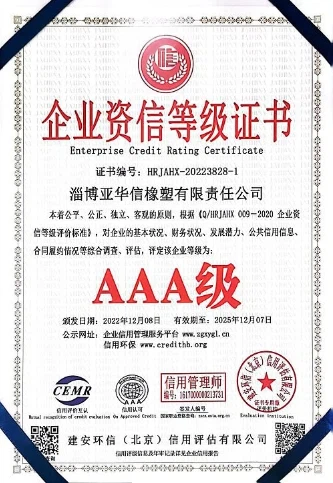
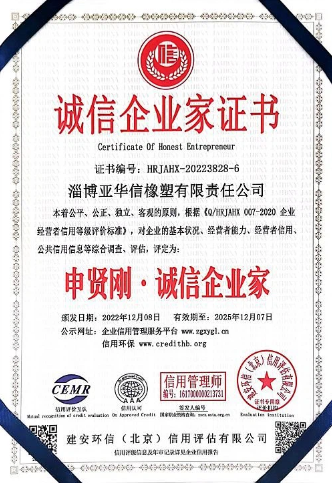
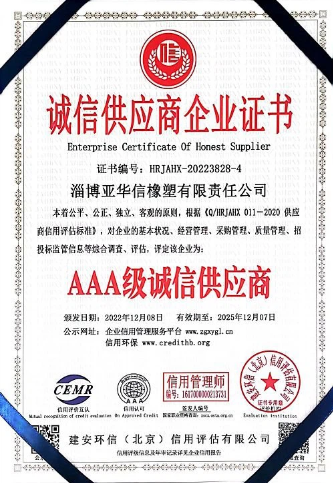
certificate


FAQ
