


Polyurethane Sheet
-
 Pu SheetsPU sheetPolyurethane material70 Shore A-95 Shore ALength: 10mm-4000mmThickness: 10mm--100mmMin order: 50kgSurface: glossyColour: original, red, yellow, green, orange,white and so on.Add to Inquiry
 -
 Pu Square SheetPU square sheet Polyurethane material; 70 Shore A-95 Shore A Length: 300mm-2000mm Thickness: 10mm--100mm Min order: 50kg Surface: glossy Colour: original, red, yellow, green, orange,white and soAdd to Inquiry
 -
 Rotary Die Cut PU Anvil CoverAll kind or PU Anvil Cover,can be custom madecan used on rotary die cutter machinePolyurethane anvil cover to help box makers maximize their machine timeAdd to Inquiry
 -
 Polyurethane Anvil CoversProduct Overview The Anvil Cover can used on rotary die cutter machine, flexo printer die cutter machine, slotter machine for corrugated cardboard die cutting. Can cutting and crease lines on theAdd to Inquiry
 -
 Customized Wear-resistance PU Plate Sheet Cushion BoardPU sheet Polyurethane material 70 Shore A-95 Shore A Length: 10mm-4000mm Thickness: 10mm--100mm Min order: 50kg Surface: glossy Colour: original, red, yellow, green, orange,white and so on.Any sizeAdd to Inquiry
 -
 PU Rubber Sheet 100% Raw Material Polyurethane Sheet PlatePU sheet Polyurethane material 70 Shore A-95 Shore A Length: 10mm-4000mm Thickness: 10mm--100mm Min order: 50kg Surface: glossy Colour: original, red, yellow, green, orange,white and so on.Add to Inquiry
 -
 High Elastic Rubber Plate Polyurethane PU Plastic SheetPU sheet Polyurethane material 70 Shore A-95 Shore A Length: 10mm-4000mm Thickness: 1mm--100mm Min order: 50kg Surface: glossy Colour: original, red, yellow, green, orange,white and so on.Add to Inquiry
 -
Polyurethane Pad Pu PadPolyurethane pad/Pu padPU pad Polyurethane material; 70 Shore A-95 Shore A Length: 300mm-2000mm Thickness: 10mm--100mm Min order: 50kg Surface: glossy Colour: original, red, yellow, green,Add to Inquiry
-
 Polyurethane Pu Sheet / Plate / BlockPU sheetPolyurethane material70 Shore A-95 Shore ALength: 10mm-4000mmThickness: 10mm--100mmMin order: 50kgSurface: glossyColour: original, red, yellow, green, orange,white and so on.Add to Inquiry
 -
 Pu Rubber Sheetcasting polyurethane materialall kinds of sizecan cut any size according to you requestoriginal, red, green, yellow, orange colour70-95 shore AAdd to Inquiry
 -
 Casting Pu SheetCasting polyurethane sheetred colourall kinds of size can cut any size according to your requestAdd to Inquiry


- Mob: +86-13589515144
- Email: sales@xinruituoseal.com
- Add: Room 203, 500 meters south of the Village Committee of Nanjiaosong Village, Hutian Sub-district Office, Zhangdian District, Zibo City, Shandong Province, China
Benefits of Polyurethane Sheet
Excellent Abrasion Resistance
Polyurethane sheets are highly resistant to abrasion. This makes them ideal for use in applications where wear and tear are common. This characteristic is due to the high level of elasticity and toughness of the material, which helps it withstand the rigors of constant use. The advantage of this is that Polyurethane sheets can last longer, resulting in reduced maintenance costs and increased productivity.
Excellent Chemical Resistance
When it comes to resistance to chemicals such as solvents, and oils, PU rods have to rival. As such, they can easily fit into applications where chemical exposure is common. These materials can withstand harsh chemicals without degrading or breaking down. This resistance ensures that the material can last longer, resulting in reduced maintenance costs and increased productivity.
High Load Bearing Capacity
Another key advantage of Polyurethane sheets is their high load-bearing capacity. They can support heavy loads without cracking or breaking, making them ideal for use in industrial applications. The high load-bearing capacity of Polyurethane sheets also makes them ideal for use in construction applications where structural integrity is critical. This ensures that the material can withstand the demands of heavy machinery and equipment.
High Tear Strength
The high tear strength of polyurethane sheets makes them ideal for use in applications where punctures and tears are common. This ensures that the material can withstand heavy use and frequent impact without degrading or breaking down. Regardless of the condition, polyurethane sheets can last longer. Eventually, this results in reduced maintenance costs and increased productivity.
Good Electrical Insulation
PU sheets are also excellent electrical insulators. Thus, they are the ideal choice for most electrical applications. They can protect sensitive electronic components from damage caused by electrical current. This characteristic also ensures that the material can withstand electrical charges without breaking down or becoming damaged.
Versatility
Polyurethane sheets are highly versatile and can be customized to meet the needs of a wide range of applications. They can be manufactured in various sizes, thicknesses, and shapes, making them ideal for use in diverse industries. Thus, you can tailor the sheets to meet the specific needs of your application. This translates into increased efficiency and reduced costs.
Types of Polyurethane Sheet
Precision urethane sheeting
Like PSI's many other urethane products, precision urethane sheeting can be customized to fit the needs of your project.A tight thickness tolerance. PSI dramatically improved the precision cast urethane sheet process in 1996, establishing a new industry standard in thickness tolerances. Today, PSI's urethane sheets of ⅛” or less meet a thickness tolerance of ±0.005, over the entire surface of the sheet, which is 38.5” x 122.5”. We can also offer precision sheeting thickness tolerances as close as ±0.001″ in sizes no smaller than square foot pieces. Our typical precision sheet thickness ranges are .020” to .375”, however custom thickness can be produced as thin as 0.005”.
Standard urethane sheeting
Both precision and standard urethane sheeting can be seamed for the needs of larger applications, and can be manufactured in FDA approved formulas for wet and dry food applications. One of the key differences between the two is the thickness tolerance. Standard sheeting has a thickness tolerance starting at ±0.030″, and will vary depending on thickness and size.
Water clear/transparent urethane sheeting
Water clear urethane sheeting is practically in a class of its own! This transparent, hydrolytically stable urethane can be manufactured from industrial grade clarity, to varying degrees of optical clarity. It is strong enough to withstand continued exposure to outdoor elements, yet still sensitive enough for use in high-tech applications.
Application of Polyurethane Sheet
Industrial Liners
Polyurethane Sheet is often used as a liner in industrial applications. This is due to its ability to withstand harsh environments and chemical exposure. These liners can be custom-made to fit the exact specifications of your equipment, providing a seamless and durable solution. Polyurethane liners can be used in a variety of applications, including mining, construction, and agriculture.
Conveyor Belts
Another common application for Polyurethane Sheet is in the manufacturing of conveyor belts. Polyurethane offers a high level of abrasion resistance, making it ideal for use in heavy-duty applications. Conveyor belts made from Polyurethane are commonly used in the food and beverage industry, as they are resistant to grease and oil and can withstand frequent cleaning.
Automotive Components
You can also use PU sheets to manufacture automotive components, such as bushings and suspension parts. These components require a high level of durability and resistance to wear and tear, which Polyurethane can provide. Polyurethane components can also help to reduce noise and vibration, making them an ideal choice for high-performance vehicles.
Medical Equipment
Polyurethane Sheet is also applicable in making medical equipment. These include catheters and other medical tubing. Polyurethane is biocompatible, which means you can use it incontact with living tissue without causing harm. It is also highly resistant to chemicals and sterilization methods, making it an ideal choice for medical applications.
Rollers
You can mold polyurethane sheets into various shapes and forms, including rollers. Polyurethane rollers are highly durable and resistant to wear and tear, making them ideal for use in heavy-duty applications. You can use them in various industries, including paper manufacturing, printing, and food processing.
Seals and Gaskets
Polyurethane Sheet is also an integral part of making seals and gaskets. These components require a high level of flexibility and durability, which Polyurethane can provide. You can use polyurethane seals and gaskets in several applications, including hydraulic and pneumatic systems.
High protection capacity
They are very useful for protecting sensitive materials or delicate machinery. Also, to insulate from the outside and protect from the action of rain, wind or extreme temperatures.
Shock-absorbing effect
They are widely used in vehicles, as they not only insulate thermally, but also reinforce the structure and protect against shocks. In fact, today, of the total plastics present in vehicles, between 15 and 20% are polyurethane, much of it of high density.
It presents great rigidity but without being solid
In this way, it makes it possible to create furniture that does not lose its shape but is not completely solid.
High quality thermo-acoustic insulation
It is used to insulate rooms and keep them away from the outside temperature.
Waterproofing
It is very effective as a support for pipes, as it repels humidity.
How to Choose Polyurethane Sheet

Resilience/rebound
This product can be shaped how you want it to and under normal circumstances, polyurethane can rebound to its regular shape after being bent.

Electrical resistivity
Polyurethane is good to use in cases where you are looking to line something to stay safe from electricity. This material absorbs electricity and has a high grade of resistivity.

Bulk modulus
Bulk modulus is the term that is used when material comes in contact with uniform isostatic pressure. Polyurethane has very high bulk modulus, which essentially means that it is virtually incompressible.

Coefficient of friction
What this essentially means is how easily/hard two materials slide against one another. Like rubber, the harder polyurethane is, the easier it is for it to slide against each other. This would mean it has a lower cof. Softer polyurethane has a higher cof, meaning it is more difficult to slide against each other and therefore causes a lot of friction.
Process of Polyurethane Sheet
Mixing ingredients
Diisocyanates are used to create various polyurethane products and are a very versatile group of building blocks. When they're mixed with other chemicals, they can create some of the most useful and important polyurethanes.The unique properties of polyurethane along with the proportions of certain ingredients during the mixing process are what allow for custom features like hardness.
Molding
There are four types of polyurethane molding: injection molding, compression molding, spin casting, and open cast molding.Injection molding involves injecting liquid polyurethane into a semi-closed mold at a low pressure. Openings in the mold allow the air to escape slowly.Compression molding also requires the polyurethane to be in liquid form. Once it's poured into a mold, it's placed into a compression press, where the heat will thicken the liquid and the pressure will finalize the molding process.
Quality assurance
Once the polyurethane has cooled after the molding process, it will be shaved down into your desired size. Shaving also allows for extra clean-up, giving you a flawless product that's consistently sized all the way around. After shaving, your polyurethane product will be packaged up and ready to go. When you choose an experienced manufacturer like Mark Tool, you can rest assured that your product went through a rigorous quality assurance process to ensure that you're getting exactly what you ordered. If you choose a custom product, we will also keep your mold to make the reordering process quick and easy.
Check It Out
When you receive your urethane blocker, thoroughly inspect it. The product should be wrapped in a protective plastic sheet (where applicable), and you should be able to easily remove your product from the box. Save that protective plastic sheet!
Play It Cool
Properly storing your urethane product will keep it happy for at least five years, and maybe more. Urethane products are very tacky. If the product is stored folded onto itself for a prolonged period of time, it may be difficult to pull the urethane apart without causing damage. This is where that protective plastic sheet you saved comes in handy! Keep the product wrapped in the protective sheet whenever it's in storage, and you're good to go.
Use It, Don't Abuse It
To extend the life of your urethane product, never use it with incompatible chemicals without prior testing. Chemicals not listed on the compatibility guide may damage the product and affect its reusability.When deploying a blocker, make sure the surface is clean and dry in order to create a liquidtight seal.
Our Factory
Shandong XinRuiTuo Precision Industry Co., Ltd integrates scientific research, development, production, sales and service. It is a modern technology company dedicated to the production of polyurethane polymers. The company has a professional Research and Development team and professional testing equipment. The company registered capital is 21 million and annual output value is around 80 million. The factory area is around 10,000 square meters. The company's productivity can reach 20,000 tons each year.The main products are: polyurethane sieve plate, pump piston, polyurethane sealing ring, roller coaster wheel, monorail wheel for coal mine, valve rubber, cotton picker accessories, superior rubber pad on die cutting machine, Polyurethane cylinders, etc. In addition, our company has the first-class technical team. We can process and customize various polyurethane special-shaped parts according to the needs of domestic and foreign customers.


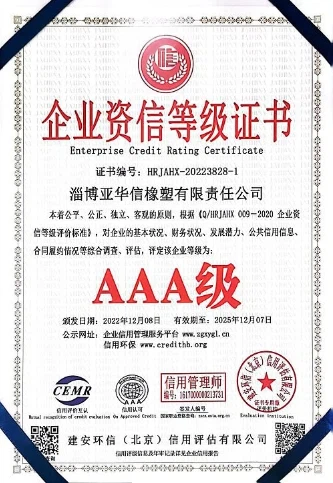
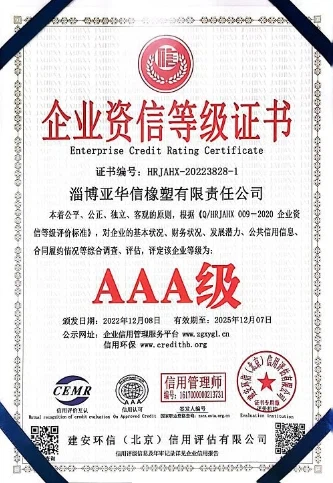
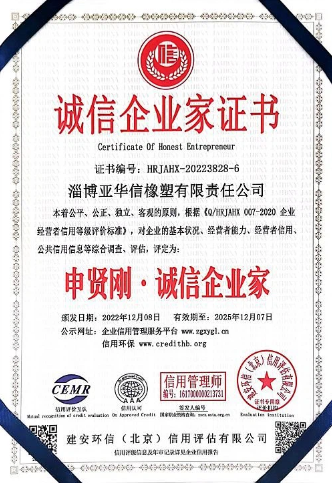
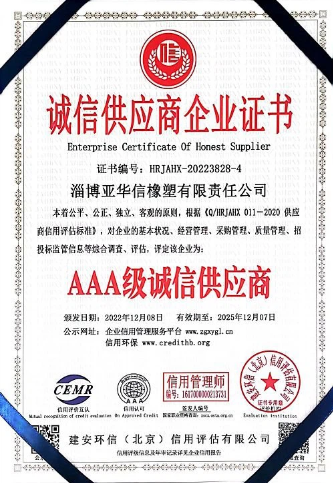
certificate


FAQ
