


Sealing Ring
Why Choose Us
One-stop Solution
After a period of development and accumulation, we not only broadened the product line, but also provided a series of solutions based on MDI, PPDI and NDI.
Professional Team
Our company has the first-class technical team. We can process and customize various polyurethane special-shaped parts according to the needs of domestic and foreign customers.
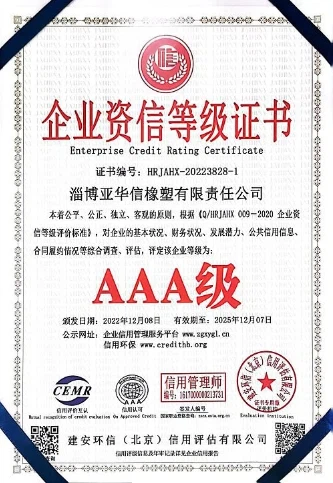
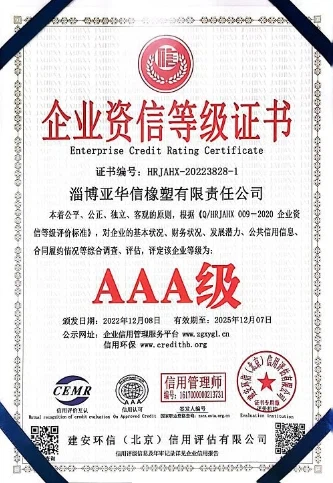
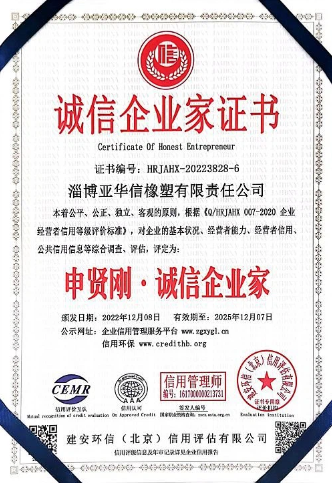
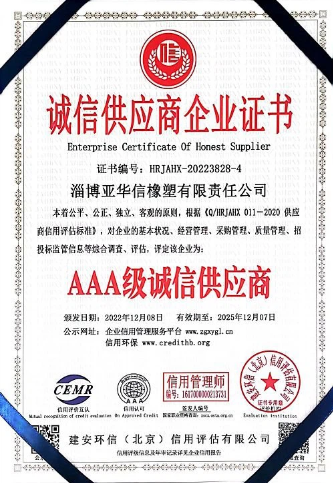
Our certifications
We passed OCCUPATIONAL HEALTH&SAFETY MANAGEMENT SYSTEM CERTIFICATION, QUALITY MANAGEMENT SYSTEM CERTIFICATION( ISO 9001) an so on.
Rich Experience
With the rich experience, professional technology and national influence of XinRuiTuo in the polyurethane industry, we strive to let more decision-makers in the country understand the advantages and benefits of high-quality polyurethane elastomers.
What is Sealing Ring
A sealing ring is a type of mechanical seal used to prevent the leakage of fluid or gas between two surfaces. It is typically used in applications such as pumps, valves, and engines, where a tight seal is required to prevent leaks.Sealing rings are also commonly known as O-rings, gaskets, or seals. These terms are often used interchangeably to refer to the same type of component used for sealing applications in various industries such as automotive, plumbing, and machinery. The choice of terminology can depend on factors such as the shape, size, and material of the sealing ring.
-
 Ring Seal RubberRing seal rubber is wear resistance, oil resistance, acid and alkali resistance, ozone resistance, aging resistance, low temperature resistance, tear resistance, impact resistance and so on. OurAdd to Inquiry
 -
 O Ring Rubber SealO ring rubber seal. Products can be customized. Chemical resistant. Steam & Hot Water resistant. Low Temperature resistant. Fast deliveryAdd to Inquiry
 -
 PU Sealing RingPU sealing ring. Factory outlet. Huge spot. Polyurethane material. Products can be customizedAdd to Inquiry
 -
 PU O RingPolyurethane O ring is made from polyurethane rubber which is a thermoplastic elastomer. Polyurethane is widely used around the world because its outstanding features, such as high strength,Add to Inquiry
 -
 O Ring SealO Ring Seal. Factory outlet. Huge spot. Polyurethane material. Products can be customizedAdd to Inquiry
 -
 High Temp O RingsHigh Temp O Rings. Hydraulic fluid resistant. Engine Oil resistant. Chemical resistant. Steam & Hot Water resistant. Low Temperature resistant. High Temperature resistantAdd to Inquiry
 -
 Polyurethane V RingPolyurethane V Ring. Hydraulic polyurethane . Size can be customized according to customers' requirement. Colors are optional. Reasonable price. Extremely strong oil resistanceAdd to Inquiry
 -
 Turning Sealing RingTurning Sealing Ring is produced with an advanced moldless turning sealing production line in our company. We own rich inventory and can meet the urgent needs of customers. Our product is safe,Add to Inquiry
 -
 Polyurethane U RingPolyurethane U ring. Speed: ≤0.5m/s. Temperature: -30/+80°C. Pressure: ≤25MPa. Material: PU. Applications: mobile hydraulic equipment, hydraulic cylinders, industrial hydraulics, etc.Add to Inquiry
 -
 Polyurethane Y RingPolyurethane Y Ring. Material: polyurethane. Speed: 0.5m/s. Temperature: -30℃-110℃. Pressure: ≤70mpa. Mainly used for reciprocating seals;. Reliable sealing performance and easy installationAdd to Inquiry
 -
 Polyurethane Sealing RingTurning sealing ring is wear resistance, oil resistance, acid and alkali resistance, ozone resistance, aging resistance, low temperature resistance, tear resistance, impact resistance and so on. OurAdd to Inquiry


- Mob: +86-13589515144
- Email: sales@xinruituoseal.com
- Add: Room 203, 500 meters south of the Village Committee of Nanjiaosong Village, Hutian Sub-district Office, Zhangdian District, Zibo City, Shandong Province, China
Benefits of Sealing Ring
Good sealing performance
Sealing Ring has stable sealing performance in all kinds of liquids, gases and chemicals, which can effectively prevent the leakage of liquids and gases. Due to its unique design, the O-ring can form a complete seal, thus effectively preventing leakage of liquids, gases and chemicals.
High strength and abrasion resistance
Sealing Ring seals have very good abrasion resistance and can withstand high friction and pressure. After strict heat treatment, such as annealing, normalising, quenching and tempering, O-ring seals have high hardness and high strength, so that they can maintain good sealing performance under various working conditions.
Wide range of applications
Sealing Ring can be used in a wide range of temperature and pressure, from -60℃ to +220℃, which can meet the requirements of various working conditions. O-ring seals are widely used in various industries such as automotive, aerospace, chemical and medical equipment. Due to its good sealing performance, abrasion resistance, corrosion resistance and adaptability, O-ring has become the preferred seal for many equipments.
Simple installation and disassembly
Sealing Ring seals are designed with simple shapes and mounting parts for easy installation and disassembly. Its unique O-shape structure can be easily installed on a variety of equipment, and due to its simple structure, O-ring seals are also very easy to disassemble. This design makes O-ring seals very popular in practical applications, especially where frequent replacement or repair is required.
Abundant size series and standardized materials
Sealing Ring seals have abundant size series, which can meet the requirements of various equipments, and use standardized materials, which are easy to select and obtain, and the price is relatively low.
Good corrosion resistance
Sealing Ring can be used in a variety of corrosive environments with good corrosion resistance. It is because O-ring seals are usually made of special materials, such as polyurethane, fluoroelastomer, silicone rubber, etc. These materials have good corrosion resistance, and can effectively resist the erosion of various chemicals.
Types of Sealing Ring
Also known as FKM O-rings, Viton™ O-rings are made from fluorocarbons and boast resistance to temperatures from -40°C up to 250°C, low gas permeability, superb mechanical characteristics and a low compression set. They are highly suitable for use with acids, halogenated hydrocarbons, petroleum and silicone fluids or gases. However, they should not be used in conjunction with amines, esters, ethers with a low molecular weight, hot hydrofluoric acids or Skydrol. Their incredible versatility makes them popular in a wide range of industries, including the automotive sector, aviation, chemical processing and mechanical engineering plants.
FEP O-rings pair a silicone or fluorocarbon core with a coating of fluorinated ethylene propylene (FEP), which offers users several distinct advantages over a standard PTFE O-ring. Firstly, they are capable of handling temperatures of between -60°C and 260°C for silicone cores and -20°C and 204°C for fluorocarbon cores. Secondly, they also provide superb elasticity and low friction levels in comparison to their PTFE counterparts. Although they are best suited to static applications, they can also be adaptable to dynamic ones where the movement is slow and short. This makes them popular in the chemical, food, petrochemical and pharmaceutical industries.
O-rings which are encapsulated with perfluoroalkoxy (PFA) are an attractive alternative to PTFE or FEP O-rings which offer several advantages over their competitors. In comparison to PTFE, PFA O-rings are a more cost-effective option, while the substance has greater resistance when dealing with temperatures of above 250°C than FEP does. Similarly, it is also better equipped to keep a variety of chemicals from permeating its seal, making it ideal for use within the chemical and petrochemical industries, the food sector and with pharmaceutical organisations.
In this context, USP stands for United States Pharmacopeia and the rubber compounds which have achieved a Class VI certification definitely offer a unique selling point, too. All of the elastomers which receive this accreditation are subjected to rigorous testing procedures, which assess their consistency, purity, quality and strength to ensure they are safe for use in situations where human life is at stake. As such, USP Class VI O-rings are in high demand among the medical and pharmaceutical industries.
Application of Sealing Ring

Hydraulic system
Sealing Ring seals are often used in hydraulic systems, such as hydraulic cylinders, oil pumps and valves. Their excellent sealing properties help prevent fluid leakage and ensure proper operation of hydraulic systems.

Automation equipment
Many automation equipment require Sealing Ring seals to ensure a sealed connection between components, such as cylinders, valves, pneumatic tools, etc. They help improve equipment productivity and reliability.

Automotive industry
Sealing Ring seals are widely used in key components such as automotive engines, braking systems and fuel systems. Its high temperature resistance, oil resistance and wear resistance make it an indispensable component in the automotive industry.

Pipes and pipe systems
Sealing Ring seals are widely used in various pipes and pipe systems, such as water pipes, air pipes and chemical pipes, etc. They can effectively prevent liquid or gas leakage and ensure the safety and reliability of the system.
Sealing Ring Material
Nitrile (Buna-N)
This is the most widely used Sealing Ring material. It provides excellent resistance to petroleum products. It also offers an excellent compression set, tear, and abrasion resistance. It does not offer good resistance to ozone, sunlight, or weather unless it is specifically compounded to do so. Temperature range: -40° to +250°F.
Fluoroelastomer
This elastomer offers excellent mechanical and physical properties with good resistance to petroleum products, low compression set, and high-temperature resistance. Ideal for vacuum service and low gas permeability. Temperature range: -15° to +400°F.
Chloroprene
This elastomer is moderately resistant to petroleum and offers good ozone and weather resistance and good compression set. Excellent for sealing refrigeration fluids such as Freon®. Temperature range -65°- +250°F.
Silicone
This elastomer is ideal for weather and ozone resistance. It offers limited oil resistance and is not recommended for dynamic sealing applications due to poor tensile and tear strength and low abrasion resistance. Temperature range -80° - +450°F.
Highly Saturated Nitrile
This material offers better resistance to high temperature, superior physical properties, and improved chemical resistance over traditional nitrile compounds. It has improved resistance to ozone and sunlight and excellent resistance to compression set. Temperature range -40°- +325°F.
Ethylene Propylene (EPM, EPDM) (EPR)
Excellent resistance to Skydrol® fluids used in commercial aircraft hydraulic systems. Recommended for hot water, steam, and phosphate ester-type hydraulic fluids. Resistance to some acids, alkalies, and ozone. Not recommended for petroleum fluids or diester lubricants. Temperature range: 65° - +300°F.
PTFE
This is a white thermoplastic fluoroethylene resin that offers heat resistance, low friction, dielectric strength, weatherability, toughness, no water absorption, and flexibility. Temperature range: -65°- +500°F.
Temperatures
The temperature the sealing ring will be exposed to is an important consideration when choosing the proper sealing ring for your application. Temperatures can adversely affect the performance of even the best-made sealing ring. If the operating temperature is too cold, the sealing ring will lose its elasticity and become more brittle, making breakage likely. On the other end of the spectrum, if an sealing ring gets too hot, it can become too flexible, and degradation will occur.The importance of temperature is why you'll always see temperature ranges on our products. The ability to see the temperature ranges will help you determine if the material is best suited to your specific application.
Operating pressure
Operating pressure is also an important consideration when you are purchasing sealing ring. Typically, in a static sealing setting, a standard 70 shore hardness will usually work well. Yet, once pressure approaches the 1500+ psi range, you may need to consider a shore hardness of 80-90.
Surface finish
Surface finish is also an important consideration. Generally speaking, the ideal surface finish for dynamic surfaces is 5 to 16 µ inch rms. Smoother and rougher surfaces can result in increased friction and reduced life of the seal. Rougher finishes up to 64 µ inch rms can be used in static applications.
Stretch
When purchasing sealing ring, you'll also want to consider the stretch of the ring. For effective sealing, the inside diameter (id) of the sealing ring must be smaller than the groove where it will sit. This groove will require a slight stretch in the sealing ring when it is in place, fitting snuggling into the groove. The stretch should be between 1-5%, with 2% being ideal in most applications.
Apg is your sealing ring resource
As you can see, a lot goes into choosing the correct sealing ring for your specific application! Apg offers a great selection of standard sealing ring, and we can offer vulcanized options if you need something other than standard sizes.
Process of Sealing Ring
Many sealing ring can be made extrusion, a manufacturing process in which raw material is forced through a die or series of dies. There are different forms of extrusion, including hot extrusion, cold extrusion, friction extrusion, and microextrusion. When the material passes through the die (or dies), it ultimately takes on the shape of the die. Some types of extrusion manufacturing processes use a hopper. Raw material is fed into a hopper and heated. Once the material is heated, it is forced through a die or series of dies. Sealing ring are heated and passed through a ring-shaped die.
Another effective manufacturing process used to produce sealing ring is pressure molding. Also referred to a “compression molding,” Pressure molding uses heat and pressure to create a three-dimensional sealing ring. The sealing ring pressure molding manufacturing process begins by injecting preheated material into a mold cavity. This is often rubber, but can be other materials. Once the material is injected into the mold cavity, a fitted plug is used to close the cavity. The pressure is increased in the mold which allows the material to take shape.
Sealing ring can also be made using transfer molding, which is substantially similar to pressure molding. The manufacturing process of transfer molding involves placing preheated material into a mold cavity. Unlike pressure molding, transfer molding requires a closed mold cavity, not an open mold. Because transfer molding uses a closed mold cavity, the molding is able to create higher pressure. This makes the finished product thicker and often provides more consistent results.
Injection molding is an effective manufacturing process that can be used to create sealing ring. The process involves injecting raw material into a mold cavity, usually in the form of pellets. The pellets are then heated and become liquified, making them easily moldable once in the mold cavity.
How to Maintain Sealing Ring


Do use compressed air or a soft brush
Frequently cleaning the rings is a vital part of maintenance. This is especially important for O-rings that provide a seal to machines. If you find any debris, grit, or contamination, you should clean it using a soft brush to avoid abrasions.Additionally, if there are any signs of corrosion or cracks on the ring, you must look for a replacement as using a broken O-ring can lead to major defects.
Do lubricate regularly
Sealing Ring need substantial lubrication to function correctly. If not, cracks can occur and ultimately cause severe damage. This is especially significant for machines that require seals to be opened and closed. For this instance, you can use any silicone-based Sealing Ring lubricant like WEICON Silicone Grease and apply the necessary amount.
Do be familiar with other maintenance products
Remember, there are various kinds of Sealing Ring made for different purposes. They can be Neoprene, Viton, or NBR-based rings. What you need will determine the type of Sealing Ring you should buy. Simplex offers Sealing Ring made from various materials such as silicone, Viton, and nitrile rubber.Additionally, you may need products like adhesives and sealants while maintaining your Sealing Ring. Sealants block fluids between spaces, while adhesives bind two parts together.
Do store it properly
Knowing how to store Sealing Ring is just as important as applying them. You should keep them in an airtight bag, away from sunlight. Using old Sealing Ring can lead to severe consequences, so it is always better to be safe.Additionally, the rings could get brittle over time. If that happens, it is best to check out suppliers like Simplex for new ones.
Don't stretch out the O‑ring
It is crucial to apply Sealing Ring carefully, as improper care can result in significant damage. Stretching the Sealing Ring can cause detrimental effects such as abrasions, degradation, and flattening. These Sealing Ring failures can lead to costly repairs, as they can also damage other components that you may need to replace.You must understand the application of your Sealing Ring, as well. We likewise recommend that you do some evaluation before buying a specific product to save you from wasted purchases and ensure that you are correctly applying the Sealing Ring.
Don't use tools with sharp edges
You should avoid using tools with pointy tips or sharp edges while working with Sealing Ring. Sharp tools can easily damage the Sealing Ring and affect its sealing capability. These tools must be handled with care and, depending on the application, can cause severe issues.If you need to remove and install O-rings, remember to slide, not roll. Use your fingers to slowly squeeze it sideways until you can push one edge out from its recess. Continue doing so carefully until you have removed the O-ring. Once you are done, clean the Sealing Ring and the area around it. Discard any debris or grease and check for cracks or corrosion.
Our Factory
Shandong XinRuiTuo Precision Industry Co., Ltd integrates scientific research, development, production, sales and service. It is a modern technology company dedicated to the production of polyurethane polymers. The company has a professional Research and Development team and professional testing equipment. The company registered capital is 21 million and annual output value is around 80 million. The factory area is around 10,000 square meters. The company's productivity can reach 20,000 tons each year.The main products are: polyurethane sieve plate, pump piston, polyurethane sealing ring, roller coaster wheel, monorail wheel for coal mine, valve rubber, cotton picker accessories, superior rubber pad on die cutting machine, Polyurethane cylinders, etc. In addition, our company has the first-class technical team. We can process and customize various polyurethane special-shaped parts according to the needs of domestic and foreign customers.


certificate


FAQ
