With the rapid development of the construction industry, the demand for waterproofing materials has also increased tremendously. Polyurethane, a synthetic polymer material, has been widely used for its excellent performance in building waterproofing, especially for roofing, underground works, and other areas that are prone to moisture ingress. Polyurethane waterproof coating has many advantages, including high adhesion strength, high tensile strength, excellent aging resistance, and strong resistance to chemical corrosion.

Compared to traditional waterproofing materials, polyurethane has superior waterproofing properties that can last for a long time. It has a longer service life of up to 25 years, which makes it one of the most cost-effective waterproofing materials in the market today. This material has also improved its resistance to UV radiation and weathering, ensuring durable and stable performance even under extreme weather conditions.
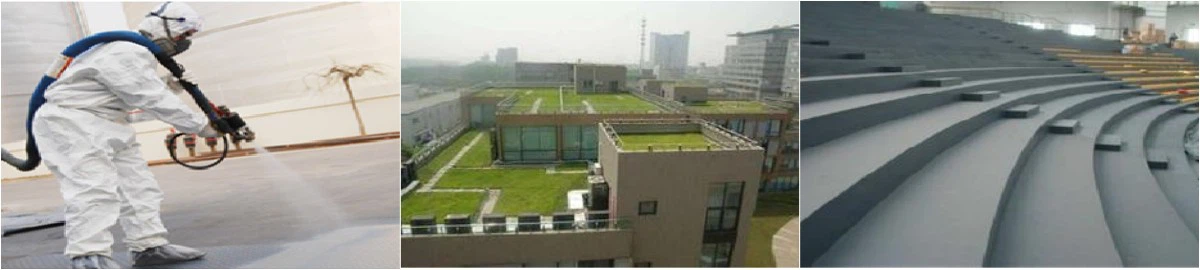
Polyurethane has a wide range of applications in the construction industry. It can be used in concrete walls, roofs, underground works, foundations, and surfaces. Additionally, since this material is strong, flexible, and easy to install, it has become a popular choice for building waterproofing applications in high-tech environments, such as hospitals, laboratories, and data centers.
In conclusion, polyurethane has become an important building waterproofing material due to its incredible performance and versatility. With its resilience, chemical resistance, and long service life, polyurethane is perfect for waterproofing solutions, ranging from small-scale building works to large-scale industrial projects. As technology continues to advance, it is expected that the application of polyurethane in the construction industry will also continue to increase, providing an increasing level of protection and durability.